Brisbane-founded Casu now has more than 10,000 people and 1,000 construction businesses registered, giving builders a faster way to find, employ and manage casual labour as Australia races to deliver more homes for families.
More than 10,000 people and 1,000 construction businesses have registered with Casu, a workforce platform designed for the moment a builder needs extra hands to keep a job moving.
Australia is being asked to deliver 1.2 million new homes, yet the businesses expected to build them are struggling to find enough people to keep sites moving.
A projected shortfall of 300,000 construction workers by mid-2027 is putting housing, hospitals, roads, energy projects and Olympic infrastructure in competition for the same workforce.
For families trying to buy, build or renovate, that is not just a problem for the construction industry. When a business is one or two people short, an entire crew can lose time, adding to the challenge of getting more homes built.
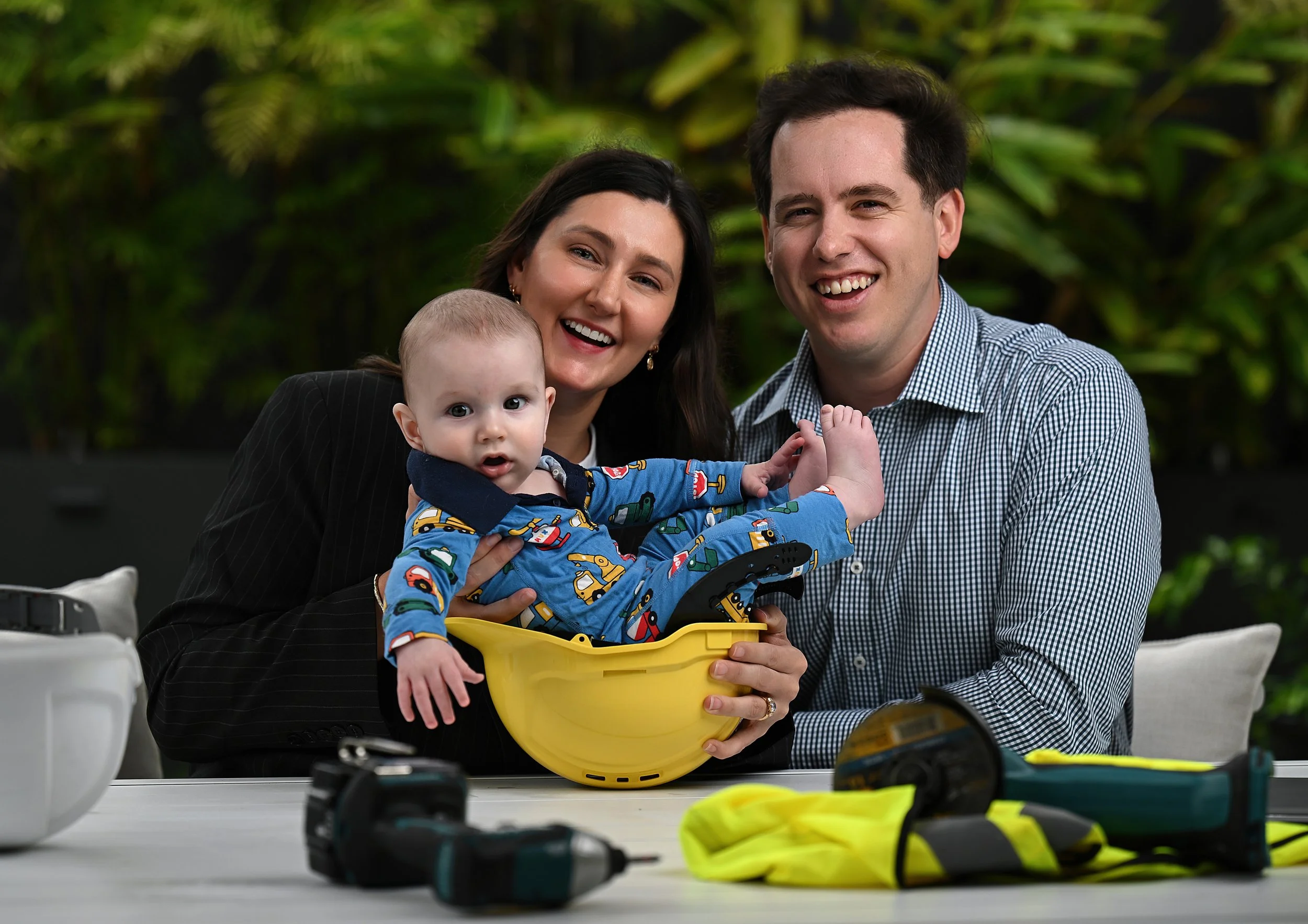
Brisbane founders Sam Clarke and Gretel Wilson built Casu for the moment a builder’s day can unravel: a worker does not turn up, a job runs behind and the rest of the crew is left waiting for extra hands.
“Builders are not always looking for another permanent hire. Often, they need an extra pair of hands quickly enough to keep the job moving,” Mr Clarke said.
Casu’s fastest shift has been accepted in less than 60 seconds. Businesses post shifts, set the hourly rate and requirements, then employ workers directly, even if it is only for one day.
Casu manages onboarding, timesheets and payroll. Mr Clarke said for most businesses, Casu has become a workforce-management tool as much as a way to find new people.
“We’re seeing repeat bookings consistently; for example, one worker has completed 249 shifts for the same business over two-and-a-half years and has been offered 1,679 days of work through the platform,” he said.
Most app-based work platforms connect businesses with independent contractors. Casu is different: every worker is employed as a casual by the business they are working for, even if the shift is only four hours.
“This means we’re unlocking a bigger pool of casuals, like students who don’t have an ABN but are willing to pick up a shift or two.”
Ms Wilson said the company was hearing the same frustration from builders across the country.
“Builders aren’t always looking for a permanent hire. They’re struggling to find extra hands without spending days ringing around, waiting for call-backs and putting a job on hold,” Ms Wilson said.
Casu’s internal data puts its no-show rate at 2.87 per cent. Businesses can rate workers after each shift and rehire people they rate highly, helping them build a trusted casual workforce over time.
The business has attracted backing from McNab Group, Hutchinson Builders, and KPAT, the hotel development company led by Kenneth Wagner.
McNab Group founder Michael McNab said Casu could provide practical support to smaller builders and subcontractors when projects needed additional labour.
“We know that for smaller builders and subcontractors, being a few people short can put real pressure on a job. Finding extra hands quickly helps them support their existing crews and keep work moving,” Mr McNab said.
“We see Casu as a practical way to help those businesses access the support they need, which also gives these businesses greater confidence that their projects can stay on track. A stronger construction industry relies on businesses of all sizes having access to good people.”
KPAT Hotels Managing Director and Casu investor Kenneth Wagner said Queensland's construction pipeline demanded a better approach to finding and employing workers.
"We can have the land, the approvals and the funding, but without people on site, nothing gets built," Mr Wagner said.
"As a developer and builder ourselves, we know how much of construction still comes down to who you know and who you can call. That works if you're already well connected, but it leaves out a lot of people who want to work and makes it harder for builders to find them. That's the gap Casu is built to address."
With more than 10,000 workers already registered, Casu now wants to become the first call for builders and developers when a job needs more casuals.